The Most Common Behavior Problems We See in Huntsville & Nashville — And Why They Shouldn’t Be Ignored
If you own a dog in Huntsville or Nashville, chances are you’ve dealt with at least one of these:
Leash pulling
Dog reactivity
Poor impulse control
Jumping on guests
Most people see these as “annoying habits.”
They’re not.
They’re signs of deeper training gaps — and in many cases, they can become safety issues if left unaddressed.
Leash Pulling Isn’t Just Inconvenient
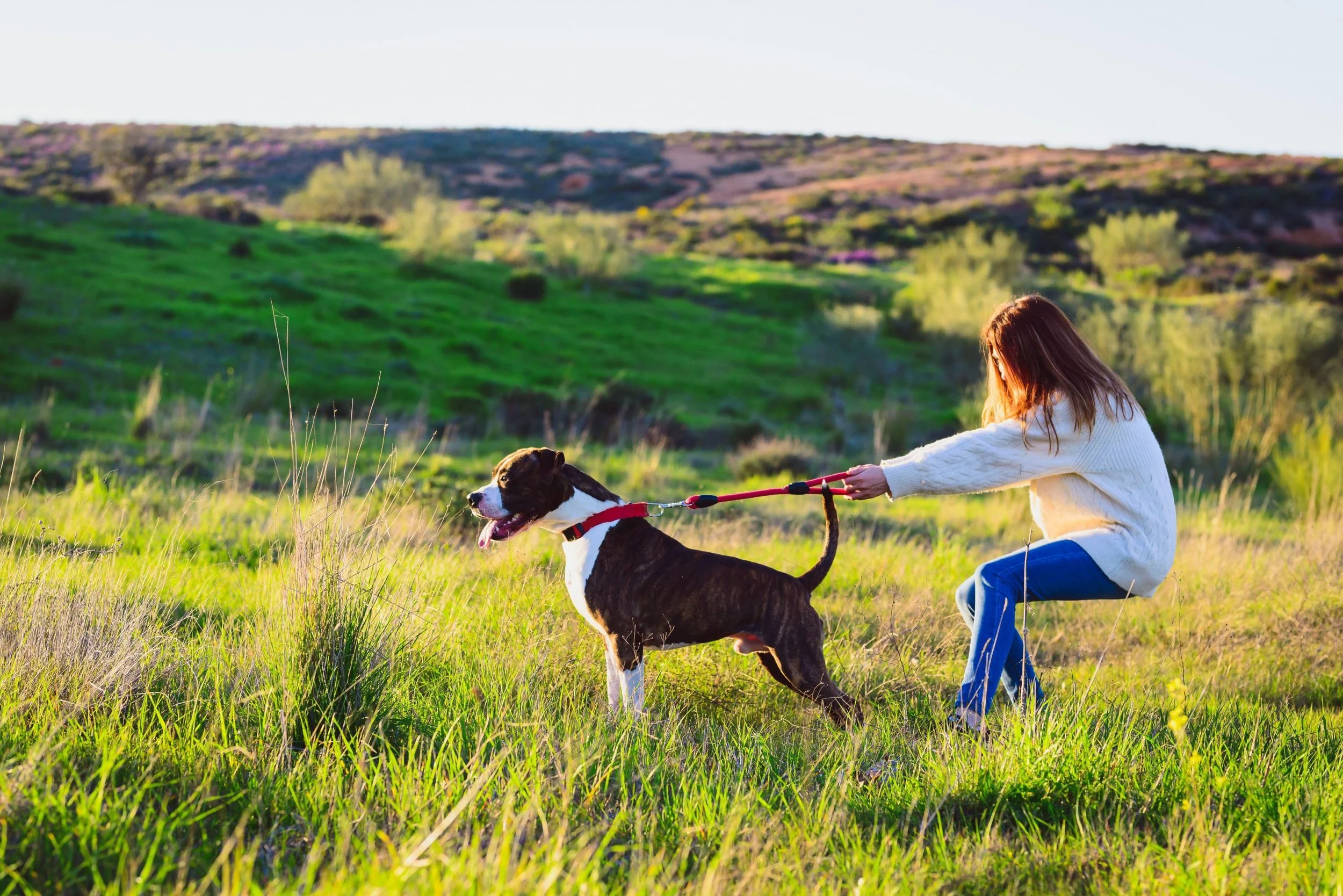
A dog that pulls:
Can knock over children or elderly family members
Can drag you into traffic
Is more likely to escalate into leash reactivity
Is mentally overstimulated and unstructured
Leash manners are about control and clarity — not strength. When a dog doesn’t understand how to walk calmly beside you, it reflects a communication breakdown.
Dog Reactivity Can Escalate Quickly
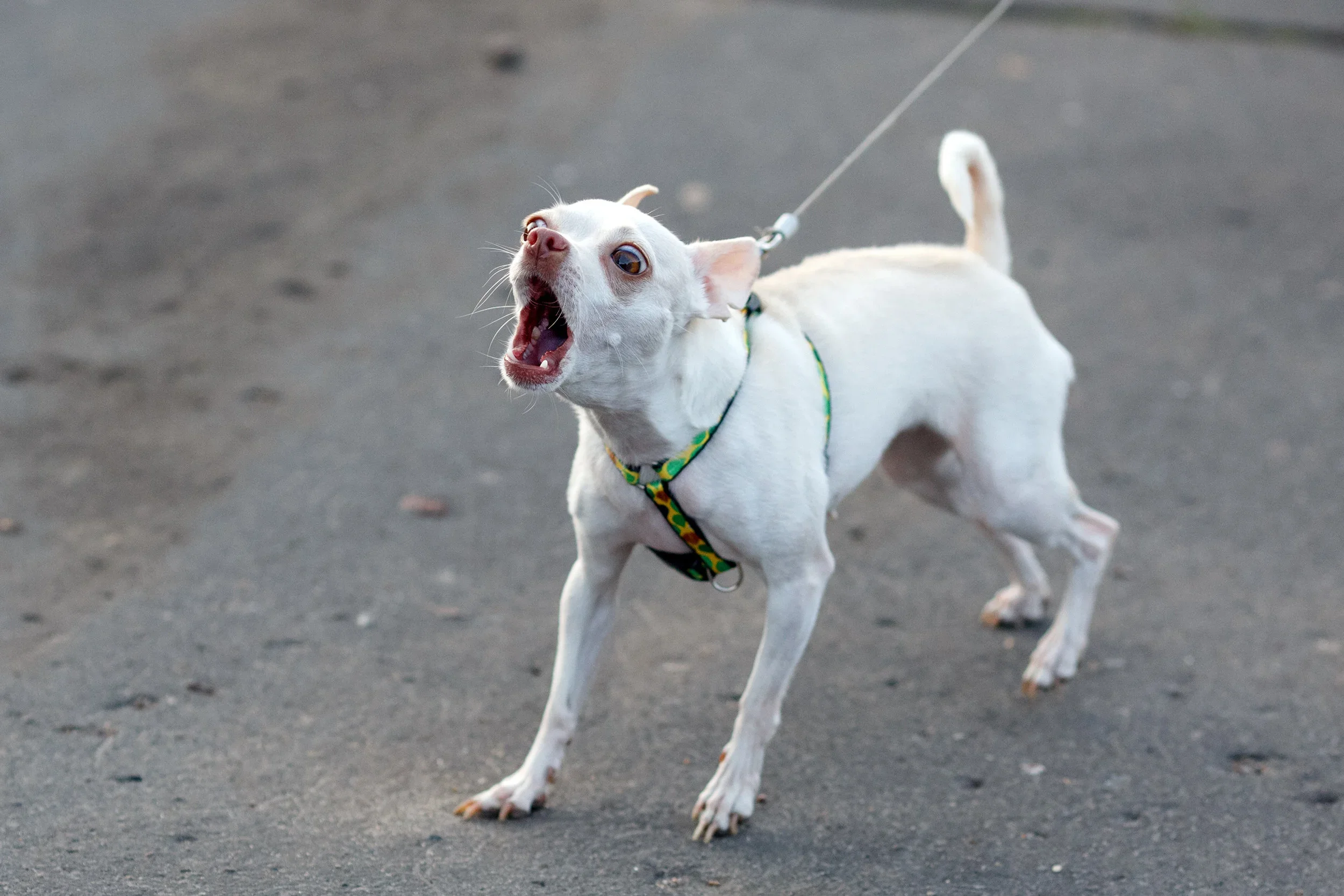
Reactivity is one of the fastest-growing issues we see.
Barking, lunging, growling — whether from excitement or fear — can:
Lead to redirected bites
Cause real dog fights
Create liability issues
Limit where you can safely take your dog
Reactivity rarely resolves on its own. In fact, repeated outbursts strengthen the behavior.
Poor Impulse Control Creates Unpredictability

Impulse control is the foundation of stability.
Without it, dogs:
Bolt through doors
Ignore commands under distraction
Grab food or objects
Struggle to settle inside the home
This isn’t just energy — it’s a lack of structure.
A dog that cannot regulate itself is a dog that will make poor decisions under pressure.
Jumping Isn’t Friendly — It’s Uncontrolled Arousal

Many owners excuse jumping as excitement.
But jumping:
Can injure guests
Scares children
Reinforces over-arousal
Signals that the dog doesn’t understand boundaries
Polite greetings are trained — not outgrown.
Why We Don’t Post “Quick Training Fixes”
You may notice we don’t post step-by-step correction techniques online.
That’s intentional.
Here’s why:
Every dog is different.
Different temperament
Different drive levels
Different thresholds
Different home environments
Different handler experience
You can follow all the “right” advice online — and still get nowhere if it’s the wrong approach for your specific dog.
In many cases, generic advice actually makes behavior worse because it doesn’t address the root cause.
Dog training is not a one-size-fits-all checklist.
It’s assessment, structure, timing, and application.
What Professional Training Actually Does
Professional training isn’t about teaching tricks.
It’s about:
Creating clarity between dog and owner
Installing structure and boundaries
Building reliable obedience under distraction
Lowering arousal and improving emotional regulation
Teaching owners how to maintain progress long-term
When done correctly, training doesn’t just “fix” a behavior — it changes the dog’s overall mindset.
That’s why results last.
Serving Huntsville & Nashville
We work with families throughout Huntsville and Nashville who are ready for real change — not temporary fixes.
If you’re frustrated, avoiding walks, stressed about guests coming over, or worried about escalation, it’s time to address it properly.
Your dog doesn’t need more random advice.
They need a clear plan tailored to them.
