Why Your Dog Listens Perfectly to the Trainer—But Falls Apart With You
You’ve seen it happen.
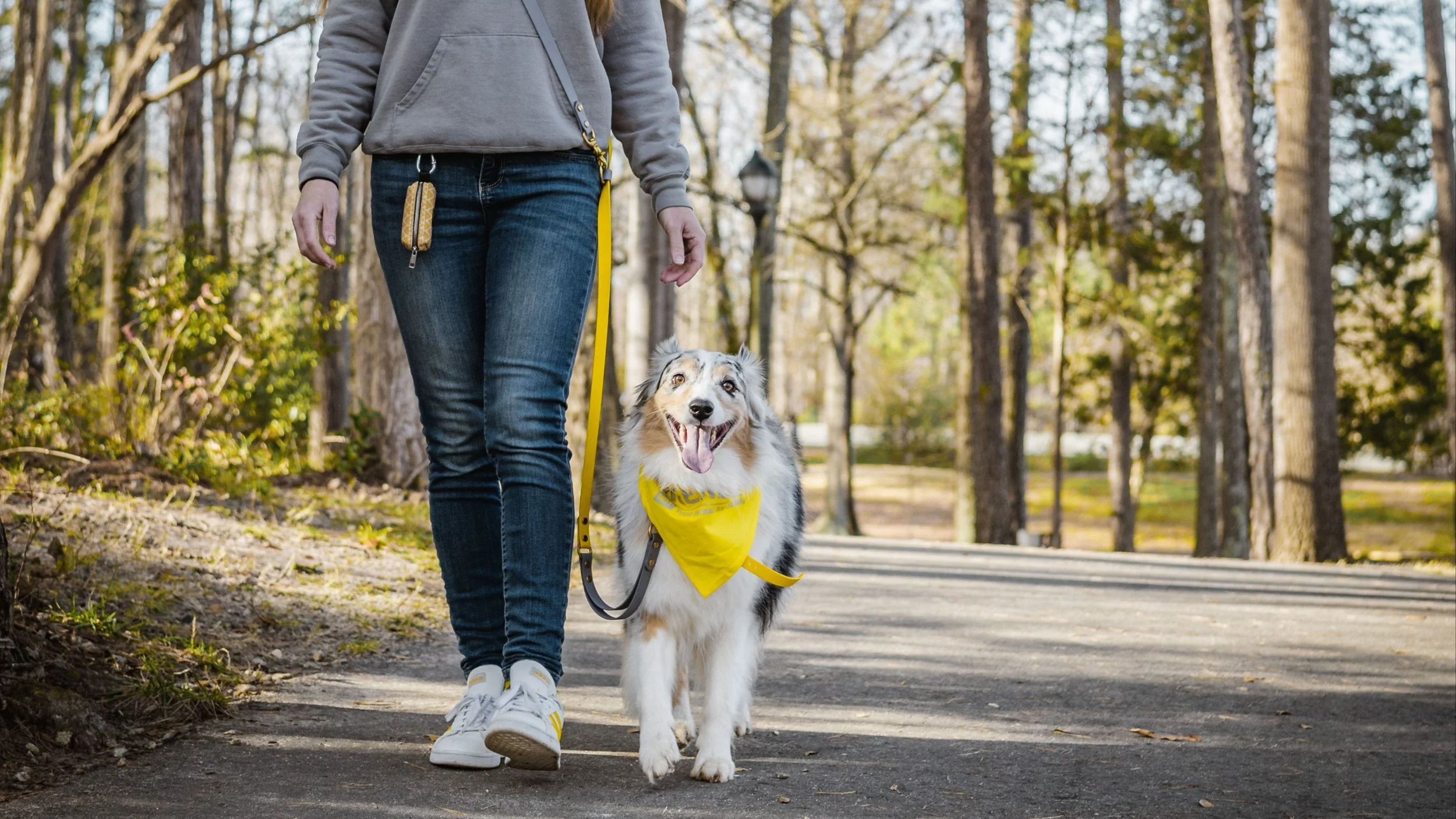
Your dog is focused, responsive, and obedient with the trainer. Commands are followed instantly. The leash is loose. Everything looks effortless.
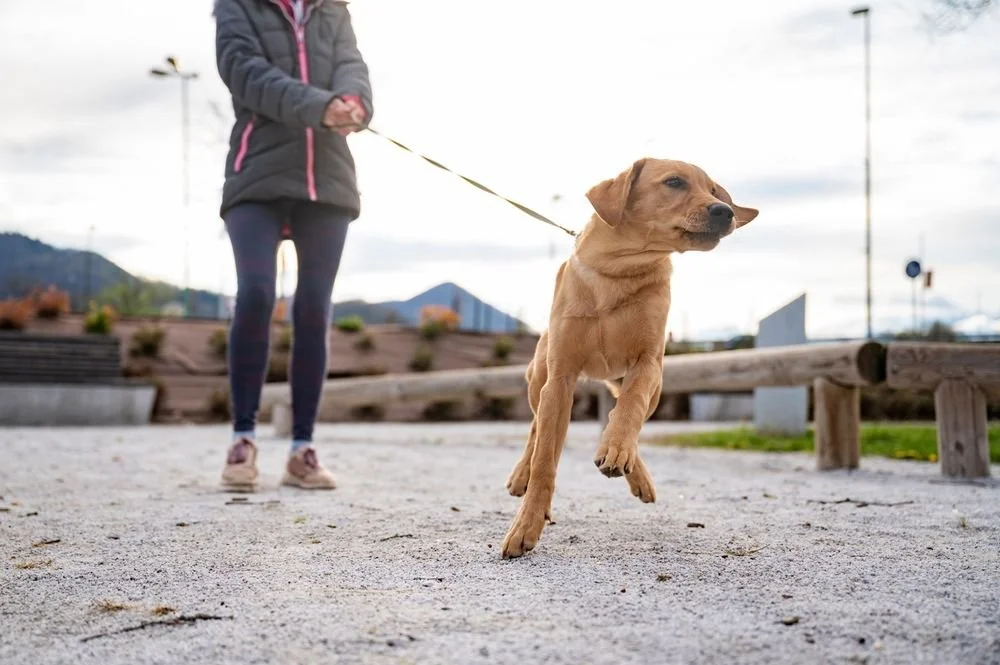
Then the trainer hands the leash back to you… and it all unravels.
Pulling. Ignoring commands. Distractions suddenly win.
It’s frustrating—but it’s not random. And it’s not because your dog is “stubborn” or “only listens to the trainer.”
It comes down to relationship dynamics and leadership consistency.
Your Dog Isn’t Confused—They’re Reading You
Dogs are incredibly perceptive. They constantly evaluate:
Who sets the rules
Who follows through
What behaviors are allowed (and when)
A professional trainer is clear, consistent, and predictable. There’s no hesitation in their communication. No mixed signals. No bending rules “just this once.”
Your dog quickly learns:
👉 This person means what they say.
When you take the leash, your dog reassesses:
👉 Do the same rules still apply?
If the answer is “sometimes” or “it depends,” behavior will fall apart.
Respect Isn’t About Dominance—It’s About Clarity
Let’s be clear: this isn’t about being harsh or “alpha.”
It’s about clear leadership.
Dogs feel secure when:
Boundaries are consistent
Expectations are predictable
Communication is fair and repeatable
If commands are optional, delayed, or inconsistently enforced, your dog learns:
👉 I don’t have to take this seriously.
Trainers Don’t Have Magic—They Have Standards
What you’re seeing isn’t magic—it’s discipline in execution.
A good trainer:
Gives clear commands (once, not repeated endlessly)
Follows through every time
Holds the dog accountable for known behaviors
Rewards appropriately and at the right timing
Doesn’t negotiate with disobedience
Most owners unintentionally do the opposite:
Repeat commands multiple times
Let things slide when it’s inconvenient
Change rules depending on mood or environment
Give up when the dog resists
Your dog isn’t choosing the trainer over you—they’re responding to consistency over inconsistency.
The Hard Truth: You Get the Dog You Reinforce
If you want the same results your trainer gets, you have to accept this:
You don’t just need their techniques—you need their mindset.
That means:
Following the same rules every day
Enforcing boundaries even when it’s inconvenient
Not letting “little things” slide
Being calm, confident, and decisive
Because every time you allow behavior you wouldn’t accept in training, you’re teaching your dog:
👉 The rules don’t really matter.
Consistency Builds Reliability

Dogs don’t generalize well.
Just because your dog listens in a training session doesn’t mean they automatically understand:
The rules apply at home
The rules apply on walks
The rules apply with you
You have to prove that consistency across contexts.
That’s how reliability is built.
If You Want the Results, You Have to Do the Work
This is where most people fall short.
They want the outcome—but not the lifestyle that creates it.
Here’s the reality:
If you want the results your trainer gets, you have to do the things your trainer does.
Hold the line on rules
Follow through on commands
Stay consistent—even when it’s hard
Stop negotiating with behavior you don’t want
Otherwise, your dog will default back to what works—and inconsistency always works in their favor.
Final Thought
Your dog isn’t being difficult.
They’re being honest.
They’re responding exactly to the structure, clarity, and leadership in front of them.
So if things fall apart when the leash is in your hands, don’t look for a new method.
Look at the relationship.
Because when you become as consistent as the trainer, your dog won’t just listen to them—
They’ll listen to you, too.
